Highlights
- Rapid weight loss and metabolic stress after gastric sleeve surgery can cause hair follicles to shift into a resting phase, leading to temporary shedding and changes in hair texture.
- Hormonal fluctuations and nutritional deficiencies in protein, zinc, and iron can alter the shape of hair follicles, causing straight hair to grow back wavy, curly, or frizzy.
- These changes are typically temporary, with hair density and original texture usually restoring between 10 to 18 months post-surgery as the body stabilizes.
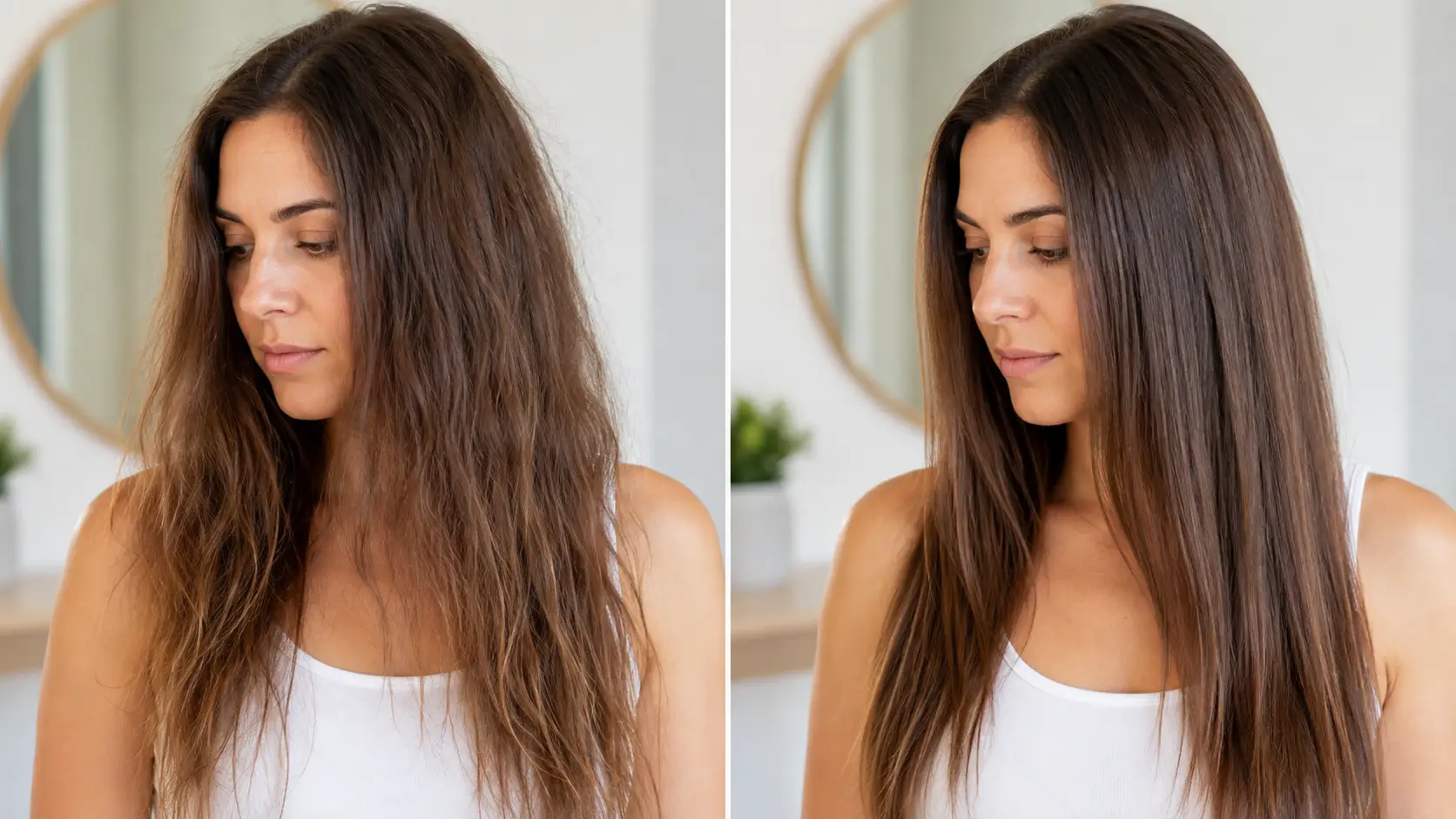
Many weight loss surgery patients notice unexpected transformations in their hair weeks or months after their procedure.While initial thinning is widely discussed among post-bariatric patients, many individuals are surprised to find their straight locks becoming wavy, frizzy, or distinctly curly. Understanding hair texture changes after gastric sleeve surgery helps patients navigate this surprising phase of recovery with confidence and peace of mind.
Table of Contents
Understanding Hair Texture Changes After Gastric Sleeve
Sleeve gastrectomy is a highly effective surgical procedure that reduces stomach capacity, leading to rapid metabolic shifts and substantial weight loss. While these metabolic changes yield significant health benefits, they also impose profound physiological stress on the body. Hair follicles are particularly sensitive to systemic changes, energy redistribution, and altered nutrient availability.
During the initial months following surgery, the body prioritizes vital metabolic processes and organ systems over cosmetic functions like hair synthesis. This physiological pivot disrupts the natural lifecycle of the hair follicle, which alternates between active growth (anagen), regression (catagen), and resting (telogen) phases. When metabolic stress triggers a massive shift of active hair follicles into the resting phase simultaneously, a temporary shedding condition known as telogen effluvium occurs.
The Biological Mechanisms Behind Texture Shifts
As new hair strands begin to emerge after a period of post-surgical shedding, patients often notice that the new growth does not resemble their baseline hair. The physical structure of a hair strand is determined by the shape of the follicle from which it grows. Symmetrical, round follicles yield straight hair, whereas oval or asymmetrical follicles produce wavy or curly strands.
Rapid systemic changes, extreme caloric restriction, and temporary structural fluctuations in the dermal papilla can alter the geometry of the hair follicle opening. When a follicle undergoes acute cellular stress, the matrix cells responsible for generating the protein structure of the hair shaft may divide unevenly. This temporary asymmetry causes the newly synthesized hair shaft to emerge with a flatter or twisted cross-section, resulting in noticeable waves, ringlets, or coarse frizzy patches across the scalp.
Why Does Hair Turn Curly or Frizzy After Weight Loss Surgery?
The phenomenon often referred to by post-bariatric communities as “sleeve curls” or post-op texture transformation is driven by a combination of hormonal, structural, and nutritional adjustments. Recognizing these underlying drivers helps demystify why straight hair suddenly alters its natural pattern.
Hormonal Shifts and Fat Tissue Breakdown
Adipose tissue acts as an active endocrine organ that stores significant amounts of hormones, particularly estrogen. Following a gastric sleeve, the rapid breakdown of body fat releases stored hormones into the bloodstream, triggering noticeable systemic hormonal fluctuations.
- Estrogen level shifts: Fluctuations in circulating estrogen affect the growth rate, oil production, and overall structural integrity of hair follicles.
- Androgen activity: Altered ratios between estrogens and androgens can alter follicle size and the thickness of emerging hair strands.
- Thyroid hormone balance: Acute weight loss can temporarily influence thyroid hormone regulation, which directly impacts scalp health and strand texture.
These hormonal changes alter sebum production on the scalp. A sudden drop in natural scalp oils can make newly emerging hair feel exceptionally dry, brittle, or frizzy, exacerbating the appearance of irregular wave patterns.
Nutritional Key Drivers: Keratin, Zinc, and Protein
Hair strands consist primarily of keratin, a fibrous structural protein assembled from amino acids. After gastric sleeve surgery, reduced dietary capacity makes meeting high daily protein goals challenging. When dietary protein is insufficient, the body conserves amino acids for critical metabolic organs, leading to lower-quality keratin synthesis in hair follicles.
Micronutrients also play a vital structural role in hair morphology:
- Zinc: Crucial for cellular repair, RNA and DNA production, and maintaining the structural integrity of hair protein bonds.
- Iron and Ferritin: Vital for oxygen delivery to matrix cells in the hair root; depleted ferritin levels weaken the hair shaft base.
- Biotin and Vitamin D: Essential for regulating follicular differentiation and supporting healthy follicle cycles.
- Copper: Plays a role in cross-linking collagen and elastin, as well as maintaining hair pigmentation and structural resistance.
When these micronutrients are transiently deficient, the cross-linking disulfide bonds within the keratin shaft form irregularly, causing the newly grown hair strand to buckle, bend, or curl as it grows outward.
Scientific Research Insights on Post-Bariatric Hair Modifications
Clinical research confirms that temporary hair alteration is among the most frequent cosmetic outcomes following bariatric interventions. Observational studies on sleeve gastrectomy cohorts demonstrate that post-operative hair changes—predominantly diffuse telogen effluvium and altered strand texture—affect between 30% and 50% of patients, typically peaking between three and six months post-surgery. Research published in dermatological and bariatric journals highlights that serum ferritin and zinc levels are strong predictors of hair integrity; patients who maintain recommended protein thresholds and adhere strictly to targeted zinc and iron supplementation experience significantly lower rates of structural follicle weakness and faster normalization of hair texture during the regrowth phase.
Timeline of Hair Changes Post-Gastric Sleeve
Hair transformation after bariatric surgery follows a distinct chronological pattern. The table below outlines the general phases, physical characteristics, and physiological mechanisms observed during recovery.
| Phase | Timeframe Post-Op | Primary Hair Characteristics | Underlying Physiological Mechanism | Expected Outcome |
| Initial Recovery | Months 1 – 2 | Normal density, minimal structural change | Immediate post-surgical healing; body uses reserves | Baseline hair maintained |
| Peak Shedding | Months 3 – 6 | Increased shedding, diffuse thinning, dryness | Telogen effluvium triggered by surgery and rapid weight loss | Temporary density reduction up to 30–40% |
| Early Regrowth | Months 6 – 9 | Short “baby” hairs appearing, altered texture (wavy/curly) | Follicle matrix recovering; asymmetrical cellular division | New growth emerges with altered texture |
| Texture Maturation | Months 10 – 18 | Stronger strands, improved density, returning pattern | Systemic stabilization; normalized keratin synthesis | Hair density and original texture gradually restore |
Practical Steps to Support Hair Health and Regrowth
While hair texture modifications are largely a natural response to rapid metabolic changes, active nutritional and physical interventions can optimize hair quality and accelerate structural recovery.
- Prioritize daily protein targets by consuming 60 to 80 grams of high-quality protein daily through lean meats, eggs, fish, or specialized post-bariatric protein supplements.
- Take bariatric-specific multivitamins containing comprehensive doses of zinc, biotin, iron, copper, and B-complex vitamins as prescribed by your medical team.
- Monitor blood serum markers every three to six months, focusing specifically on ferritin, zinc, vitamin D, and total protein levels.
- Reduce physical stress on new growth by avoiding tight hairstyles, harsh chemical treatments, bleaching, and excessive high-heat styling tools.
- Apply gentle, hydrating scalp oils and sulfate-free moisturizing shampoos to nourish dry scalp skin and manage frizzy or altered hair textures.
Is the Texture Change Permanent or Temporary?
For the vast majority of patients, changes in hair texture following a gastric sleeve are temporary. As weight loss stabilizes—typically between 12 and 18 months post-surgery—the body adapts to its new metabolic baseline. Once caloric intake increases to maintenance levels and nutrient absorption stabilizes, hair follicles usually resume their normal symmetrical shape.
As a result, subsequent hair growth cycles yield strands that reflect the patient’s original natural texture, thickness, and wave pattern. However, some individuals notice a permanent, subtle shift in hair wave or density, particularly if their natural hair pattern was already predisposed to waves or if hormonal shifts permanently altered scalp oil production.
Exceptional Medical Care with CK Health Turkey
Navigating recovery after metabolic surgery requires comprehensive, professional guidance that extends far beyond the operating room. CK Health Turkey stands out as a premier medical destination for international patients seeking high-quality bariatric surgery, including gastric sleeve procedures performed by experienced surgical specialists.
At CK Health Turkey, patient care is built on a multidisciplinary foundation. Patients receive personalized dietary planning and ongoing post-operative consultations to prevent severe nutritional deficits, minimize side effects like hair thinning, and ensure smooth recovery. International patients benefit from tailored treatment packages, dedicated patient coordinators, and continuous post-surgical follow-up support designed to make the transformation journey comfortable and safe.
If you are considering weight loss surgery or wish to learn more about comprehensive post-operative care packages, explore options with CK Health Turkey and reach out to their expert clinical team for a personalized consultation.
Experiencing hair texture changes after gastric sleeve surgery can feel surprising, but it is a manageable, self-limiting part of the body’s transformation process. By maintaining proper protein intake, adhering to targeted vitamin regimens, and allowing your body time to reach metabolic balance, your hair will regain its strength, vitality, and natural shine.