
Highlights
- The protein shake stage is a critical bridge between liquid and solid foods, primarily designed to prevent muscle loss and support the healing of the stomach staple line.
- Patients must aim for 60 to 80 grams of protein and 64 ounces of fluids daily while ensuring shakes contain less than 5 grams of sugar and fat to avoid complications.
- Whey protein isolate is the recommended supplement due to its high absorption rate and low lactose content, which is gentler on the sensitive post-operative stomach.
Undergoing bariatric surgery is a transformative step toward a healthier lifestyle, but the immediate weeks following the procedure require a disciplined approach to nutrition. Navigating the protein shake stage after gastric sleeve is arguably the most critical period for ensuring proper healing and preventing muscle loss. This phase serves as a bridge between the initial liquid intake and the eventual reintroduction of solid foods, providing the body with the essential building blocks it needs while the stomach remains in a highly sensitive state.
Table of Contents
Understanding the Role of Protein in Post-Sleeve Recovery
The primary goal during the early weeks after surgery is to protect your lean muscle mass while your body is in a significant calorie deficit. When you consume very few calories, your body may look to its own muscle tissue for energy. High-quality protein shakes provide the amino acids necessary to prevent this “muscle wasting” and to facilitate the repair of the stomach staple line.
Beyond muscle preservation, protein plays a vital role in immune function and enzyme production. Since the new stomach pouch is roughly the size of a banana, it cannot handle the volume of whole foods required to meet these nutritional needs. This makes liquid supplementation not just a convenience, but a clinical necessity.
The Timeline: When Does the Protein Shake Stage Begin?
Most surgical protocols divide the post-operative diet into four distinct phases. The protein shake stage after gastric sleeve typically occupies Phase 2, though its importance persists throughout the entire recovery journey.
- Phase 1 (Clear Liquids): Usually days 1–2 or 1–3 post-op. This includes water, broth, and diluted apple juice.
- Phase 2 (Full Liquids): Usually days 3–14. This is where protein shakes become the centerpiece of your diet.
- Phase 3 (Pureed Foods): Weeks 3–4. Soft, blended foods are introduced, but shakes often remain a “safety net” for protein goals.
- Phase 4 (Soft and Solid Foods): Week 5 and beyond.
During the full liquid phase, your stomach is still significantly swollen. Thin liquids pass through the pyloric valve easily, but any texture or thickness can cause discomfort or pressure. Protein shakes used during this time must be smooth, sugar-free, and low in fat to ensure they are tolerated well.
Nutritional Requirements and Goals
During this stage, your medical team will typically set specific targets for you to hit daily. While individual needs vary based on height, weight, and gender, the general benchmarks include:
- Protein Intake: Between 60 and 80 grams per day.
- Fluid Intake: At least 64 ounces (approx. 2 liters) of total fluid to prevent dehydration.
- Sugar Limits: Less than 5 grams of sugar per serving to avoid dumping syndrome.
- Fat Limits: Less than 5 grams of fat per serving to prevent indigestion.
Hitting 60 grams of protein through 2-3 shakes a day can be challenging when you can only sip small amounts at a time. The rule of thumb is “sip, sip, sip” throughout the day rather than trying to finish a shake in one sitting.
Scientific Research on Protein Supplementation Post-Bariatrics
Clinical studies consistently highlight the importance of high protein intake during the rapid weight loss phase following a sleeve gastrectomy. Research published in The Journal of Nutrition emphasizes that patients who adhere to a high-protein liquid diet in the first month post-surgery experience significantly better preservation of Lean Body Mass (LBM) compared to those who do not meet their targets.
A specific study tracking bariatric patients over six months found that those who prioritized protein shakes in the early stages had higher levels of serum albumin—a marker of good nutritional status—and reported fewer instances of hair thinning and fatigue. The research concludes that early intervention with whey protein isolate is the most effective way to stabilize metabolic health while the body adapts to a restricted caloric intake.
Choosing the Right Type of Protein
Not all protein powders are created equal, especially for a post-surgical stomach. Understanding the differences between protein sources can help you avoid GI distress and maximize absorption.
Whey Protein Isolate
This is widely considered the gold standard for the protein shake stage after gastric sleeve. Isolate is processed to remove most of the lactose, fat, and carbohydrates, resulting in a product that is roughly 90% protein. It is rapidly absorbed and gentle on the stomach.
Whey Protein Concentrate
Concentrate is less processed than isolate and contains more lactose. Many patients find that they become temporarily lactose intolerant after surgery. If you experience bloating or gas after a shake, your powder likely contains too much concentrate.
Plant-Based Proteins
For those who are vegan or strictly dairy-free, pea, soy, or brown rice proteins are viable options. However, you must ensure they are “complete” proteins containing all essential amino acids. Plant proteins can sometimes have a “gritty” texture that may be harder to swallow during the early liquid phase.
Collagen Peptides
While collagen is great for skin and joints, it is not a complete protein. It should not be your primary source of protein during Phase 2. Use it only as a supplement to whey or soy.
Comparison of Common Protein Sources
| Protein Type | Absorption Rate | Lactose Content | Ideal Use Case |
| Whey Isolate | Fast | Very Low | Primary post-op shake |
| Whey Concentrate | Medium | Moderate | Budget-friendly (if tolerated) |
| Pea Protein | Medium | None | Vegan/Dairy-free alternative |
| Casein | Slow | Moderate | Before bed (for satiety) |
| Soy Isolate | Medium | None | Complete plant-based option |
Managing Common Challenges
The transition to a liquid-dominant diet isn’t always smooth. Many patients encounter hurdles that can make reaching their goals difficult.
Taste Changes and Sensory Aversion
It is very common for patients to find that things taste differently after surgery. A shake you loved pre-op might taste sickeningly sweet or metallic post-op. To combat this, try “unflavored” protein powder mixed into savory broths or use decaf coffee to cut the sweetness of vanilla or chocolate shakes.
Nausea and Fullness
The “pouch” is small and healing. If you drink too fast, you will feel nauseous or experience “the foamies” (excess mucus production). Use a small medicine cup or a shot glass to pace yourself—aim for one ounce every 15 minutes.
Dehydration
Dehydration is the number one reason for hospital readmission after a gastric sleeve. Because protein shakes are thick, they don’t always quench thirst. You must alternate between your protein shakes and clear liquids (water, herbal tea) to keep your kidneys functioning properly.
Tips for Success in the Protein Shake Phase
- Use a Shaker Bottle, Not a Blender: Blenders incorporate too much air into the shake, which can cause painful gas and bloating in your new stomach. A shaker bottle with a wire ball is usually sufficient.
- Temperature Matters: Some patients find ice-cold shakes soothing, while others find room-temperature liquids easier to swallow. Experiment to see what your stomach prefers.
- Keep a Log: Use an app or a simple notebook to track every gram of protein. It is very easy to overestimate how much you’ve consumed.
- Avoid Straws: Sucking through a straw introduces air into the GI tract, leading to unnecessary gas pain.
Transitioning to the Next Stage
As you reach the end of the second week, your surgeon will evaluate your progress. If you are hitting your protein and hydration targets without pain or vomiting, you will likely move to the pureed stage. Even during the pureed and soft food stages, many patients continue to have one shake a day to ensure they hit that 60-80g goal, as it remains difficult to eat that much protein via solid food alone.
Specialized Support with CK Health Turkey
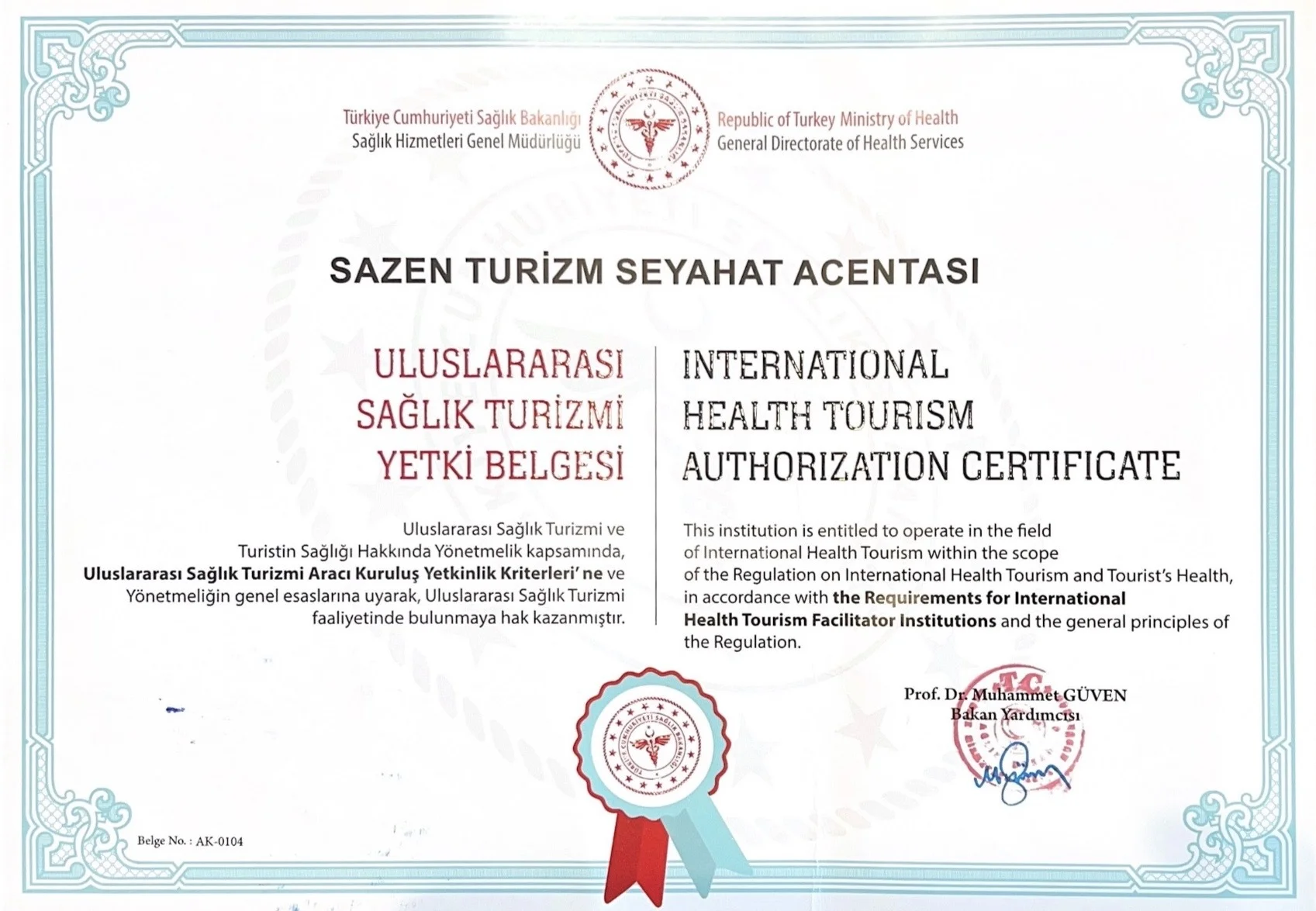
For many international patients, the journey of bariatric surgery is made easier by choosing a facility that offers comprehensive aftercare. CK Health Turkey stands out as a premier provider for those seeking high-quality weight loss surgery combined with expert nutritional guidance.
The team at CK Health Turkey understands that the recovery process, especially the liquid and protein shake stages, can be overwhelming. They provide patients with detailed dietary protocols and access to professional dietitians who specialize in bariatric recovery. By choosing a package that includes post-operative support, patients can navigate their nutritional milestones with confidence, knowing they have a medical team just a message away.
If you are considering a gastric sleeve or are currently preparing for your recovery, the experts at CK Health Turkey are ready to assist you. From the initial consultation to the final stages of your dietary transition, they provide the resources necessary for a successful long-term outcome. Visit their website today to learn more about their all-inclusive bariatric packages and how they support patients through every phase of the journey.
Summary of Daily Routine (Sample)
- Morning: 8 oz water (sipped over 1 hour).
- Mid-Morning: 8 oz Protein Shake (Whey Isolate).
- Lunch: 8 oz warm bone broth.
- Afternoon: 8 oz Protein Shake.
- Evening: 8 oz diluted electrolyte drink.
- Night: 8 oz Protein Shake (if protein goal not met).
Consistency is the hallmark of a successful recovery. While the liquid diet can be monotonous, it is a temporary requirement for a permanent transformation. By focusing on the quality of your supplements and staying diligent with your hydration, you set the foundation for rapid weight loss and long-term health. Remember that the protein shake stage after gastric sleeve is the most important investment you can make in your new body during these early weeks of healing.