Persistent heartburn and acid reflux represent more than just a temporary discomfort after a heavy meal for millions of patients worldwide. This chronic dilemma often leaves individuals navigating a complex maze of over-the-counter antacids and prescription medications that vary significantly across international borders.
Table of Contents
Understanding the Reflux and Heartburn Dilemma
Gastroesophageal Reflux Disease (GERD) is characterized by the retrograde flow of gastric acid into the esophagus, leading to the classic “burning” sensation. Scientific studies, such as the 2025 Focused Update of the Seoul Consensus, indicate that the prevalence of GERD is approximately 25.9% in Europe and 22.8% in Turkey.
This high prevalence means that patients frequently seek relief through various pharmacological interventions. The dilemma often arises when patients accustomed to specific brands in the UK, such as Acidex or Rennie, struggle to find direct equivalents while traveling or seeking treatment abroad.
- Primary Symptoms: Retrosternal burning, acid regurgitation, and chronic cough.
- Mechanical Cause: Dysfunction of the Lower Esophageal Sphincter (LES) or the presence of a hiatal hernia.
- Long-term Risks: Untreated chronic reflux can lead to Barrett’s Esophagus and esophageal adenocarcinoma.
Navigating Medication: UK vs. Turkey Equivalents
Patients like Deborah Ramsden often find themselves confused by the differing brand names for identical active ingredients when moving between the UK and Turkey. While the UK market relies heavily on brands like Acidex and Gaviscon Advance, the Turkish pharmaceutical landscape offers high-quality alternatives with the same chemical efficacy.
In the UK, Omeprazole is a staple Proton Pump Inhibitor (PPI) often sold under the brand name Losec or Pyrocalm. In Turkey, the same high-standard Omeprazole is widely available under names like Demazol or Omeprol, ensuring that the physiological “acid-blocking” effect remains consistent regardless of the label.
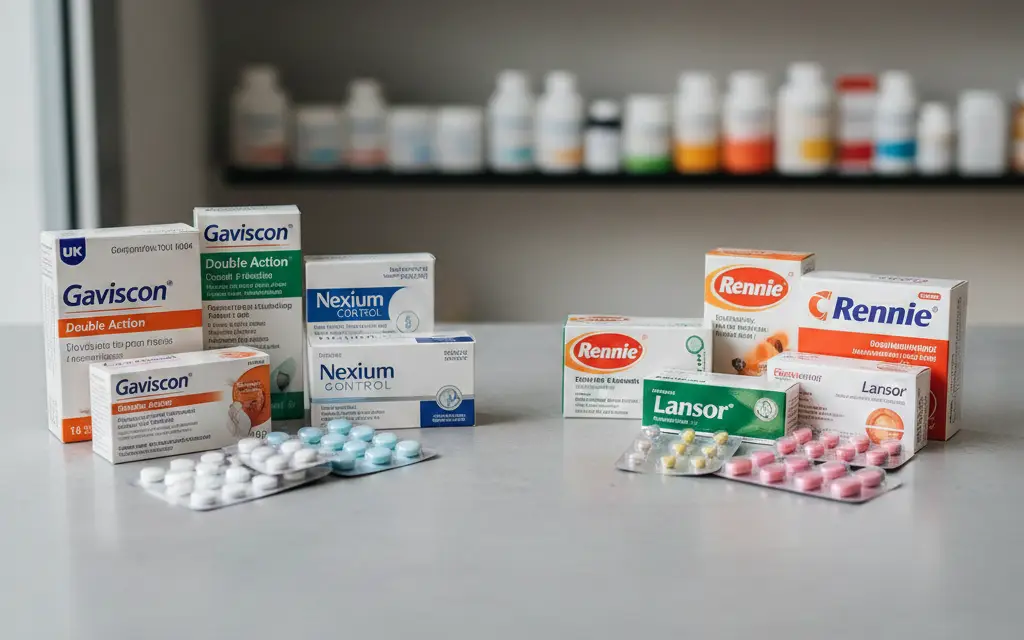
- Antacids (Quick Relief): UK’s Rennie (Calcium Carbonate) is equivalent to Turkey’s Rennie or Talcid.
- Alginates (Reflux Barriers): UK’s Acidex or Gaviscon Advance correlates with Turkey’s Gaviscon Double Action or Pronat.
- PPIs (Acid Suppression): UK’s Nexium (Esomeprazole) is identical to Turkey’s Nexium or Esomep, often found at more accessible price points.
Comparative Summary of Common Reflux Medications
To help patients understand the transition between these two medical markets, the following table outlines the key medications used for stomach burn and reflux.
| Medication Category | UK Brand Names | Turkish Brand Names | Primary Function |
| Alginates | Acidex, Gaviscon Advance | Gaviscon, Pronat | Creates a physical raft to block acid |
| Antacids | Rennie, Tums | Rennie, Talcid | Neutralizes existing stomach acid |
| PPI (Omeprazole) | Losec, Pyrocalm | Demazol, Omeprol | Shuts down the acid-producing pumps |
| PPI (Esomeprazole) | Nexium, Esomeprazole | Nexium, Esomep | Long-lasting acid suppression |
| H2 Blockers | Pepcid, Famotidine | Famodin, Gastover | Reduces acid production for 12 hours |
The Science of Acid Suppression: PPIs and H2 Blockers
Proton Pump Inhibitors (PPIs) are considered the gold standard for managing erosive esophagitis and severe GERD. Clinical data from the Lyon Consensus 2.0 (2023) emphasizes that PPIs like Omeprazole and Esomeprazole are most effective when taken 30 to 60 minutes before the first meal of the day.
H2-receptor antagonists, such as Famotidine (known as Famodin in Turkey), offer a different mechanism by blocking the histamine signals that trigger acid secretion. While they work faster than PPIs, they generally provide a shorter window of relief, typically up to 12 hours, making them ideal for nighttime “breakthrough” symptoms.
- PPI Efficacy: Studies show an 80-90% healing rate for esophageal ulcers within 8 weeks of consistent PPI use.
- Dosing Strategy: Modern guidelines suggest “on-demand” therapy for mild cases to minimize long-term dependency.
- Safety Profile: Long-term use requires monitoring of Vitamin B12 and Magnesium levels due to altered absorption environments.
When Medication is Not Enough: The Surgical Solution
For many patients, lifelong dependency on medications like Acidex or Omeprazole is not a desirable or effective long-term strategy. When the mechanical valve (LES) is permanently weakened, surgical intervention such as Nissen Fundoplication becomes the definitive answer.
CK Health Turkey specializes in these advanced laparoscopic procedures, offering a permanent solution for those who suffer from persistent reflux. Their surgical teams utilize minimally invasive techniques that significantly reduce recovery time while maintaining success rates that exceed 95% in symptom resolution.
- CK Health Turkey Expertise: Renowned for world-class facilities and internationally accredited gastroenterologists.
- Comprehensive Care: They provide end-to-end support, from initial diagnostic endoscopy to post-operative dietary planning.
- Patient Outcomes: Most patients are able to discontinue all acid-suppressing medications within weeks of surgery.
Clinical Research and Future Trends (2024-2025)
The medical field is currently shifting toward a more personalized approach to reflux management, as highlighted in recent publications by the American Society for Gastrointestinal Endoscopy (ASGE). New therapies, such as Potassium-Competitive Acid Blockers (P-CABs), are emerging as potent alternatives for patients who are resistant to traditional PPIs.
Research conducted in 2024 has also emphasized the role of “Actionable GERD,” where diagnostic testing like 24-hour pH monitoring is used to identify the exact cause of the “burn.” This ensures that patients receive the specific treatment they need, whether it be pharmacological, lifestyle-based, or surgical.
- P-CABs (e.g., Vonoprazan): Offers more rapid and sustained acid suppression than traditional Omeprazole.
- TIF (Transoral Incisionless Fundoplication): A newer, incision-free endoscopic procedure for specific hiatal hernia types.
- Pharmacogenomics: Testing the CYP2C19 gene to determine how quickly a patient’s liver metabolizes PPIs, allowing for precision dosing.
Lifestyle Modifications to Complement Treatment
While medications provide the chemical solution, lifestyle changes address the environmental triggers of acid reflux. Clinical guidelines consistently recommend weight management and dietary adjustments as first-line defenses against the stomach burn dilemma.
Simple habits, such as elevating the head of the bed by 6 to 9 inches, use gravity to keep gastric contents where they belong. Furthermore, avoiding “trigger” foods like peppermint, chocolate, and high-fat meals can significantly reduce the frequency of reflux episodes.
- Timing Meals: Stop eating at least three hours before lying down to ensure the stomach is empty.
- Smoking Cessation: Smoking relaxes the LES, making it the primary lifestyle contributor to chronic reflux.
- Clothing Choices: Avoid tight belts or waistbands that increase intra-abdominal pressure.
Seeking Professional Guidance Abroad
Traveling for medical care or seeking treatment in a different country requires a bridge of communication and trust. The Turkish medical system is highly regulated, ensuring that the medications prescribed are bioequivalent to their UK counterparts, often produced in the same global manufacturing facilities.
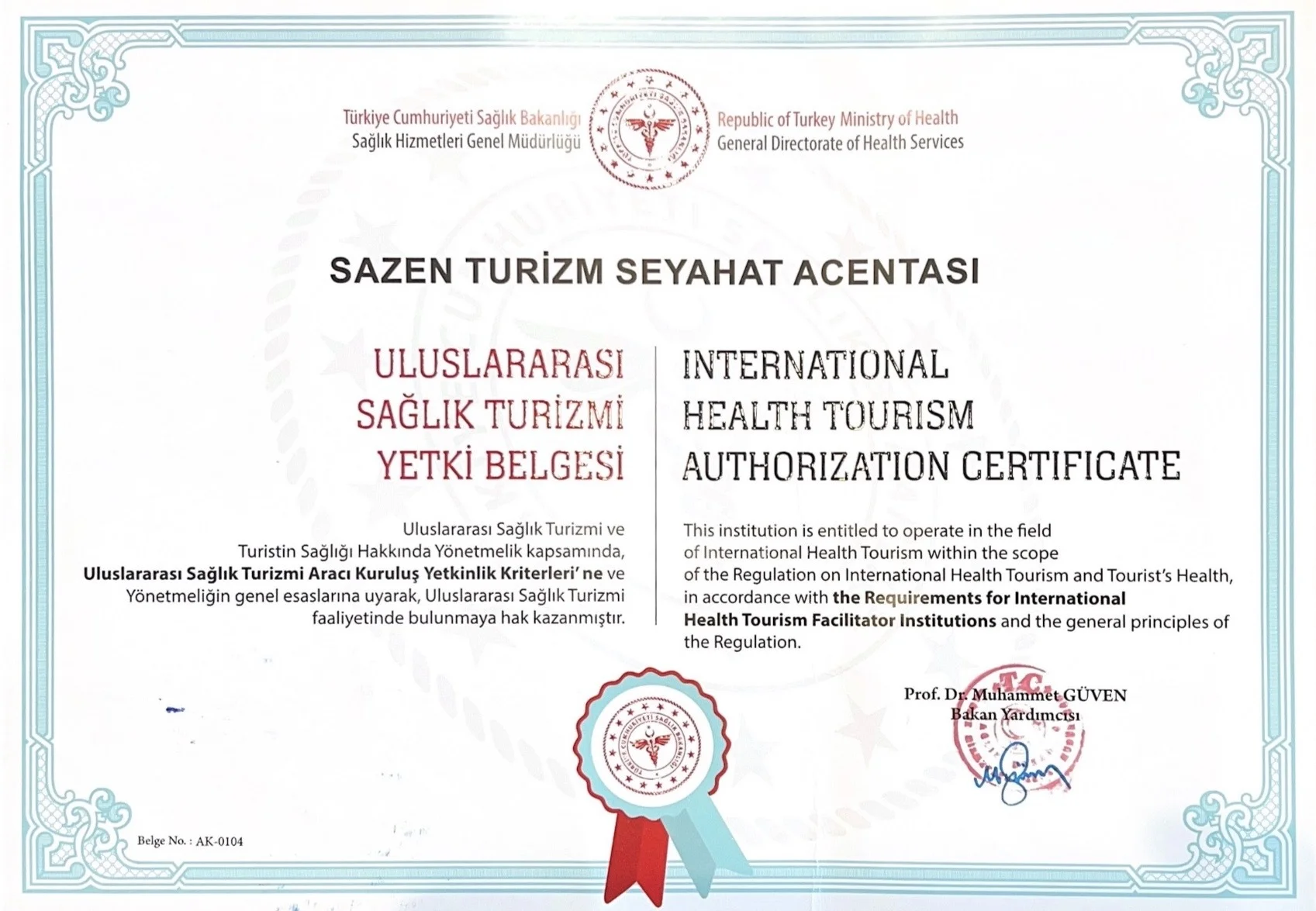
CK Health Turkey stands out as a premier provider for international patients, bridging the gap between UK medical expectations and Turkish surgical excellence. Their ability to handle complex cases of GERD with a combination of advanced diagnostics and compassionate care makes them a leader in the medical tourism sector.
- Multilingual Support: Clear communication regarding medication names and surgical steps.
- Accredited Excellence: Utilizing JCI-accredited hospitals that meet the highest international safety standards.
- Holistic Approach: Integrating nutritional counseling with medical and surgical interventions for lasting results.
Understanding the pharmacological and structural causes of your reflux is the first step toward reclaiming your quality of life. Whether you are managing symptoms with medications like Omeprol or considering a permanent surgical solution, professional guidance ensures you navigate this dilemma with confidence. With the expertise of CK Health Turkey, the path from chronic stomach burn to lasting relief is both accessible and scientifically proven.