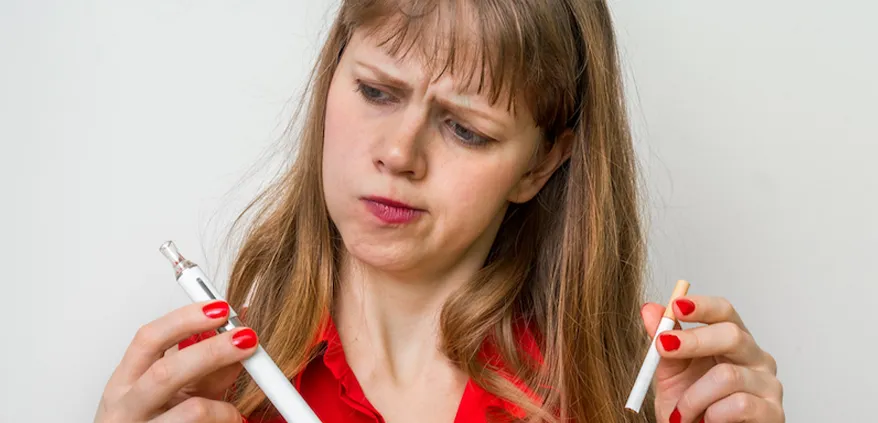
Preparing for surgery, a significant health decision, rightly centres on the procedure and anticipated results. However, lifestyle factors, particularly smoking or vaping before surgery why quitting matters, critically impact outcomes and patient safety. Abstaining from nicotine is medically imperative for successful recovery, a vital consideration for patients exploring surgical options, including those in the UK.
Table of Contents
The Science Behind Nicotine and Surgical Risk
Nicotine and the various toxic chemicals found in tobacco and e-cigarette products exert a detrimental influence across multiple physiological systems, significantly increasing the risk of surgical complications. Understanding these mechanisms is fundamental to appreciating the necessity of pre-operative cessation.
Impaired Oxygen Delivery
Smoking introduces carbon monoxide into the bloodstream, which has a higher affinity for haemoglobin than oxygen. This effectively reduces the blood’s capacity to transport oxygen to vital tissues and organs. In the context of surgery, this means that every cell in your body, including those involved in healing and recovery, receives less oxygen. A deficiency in oxygen can lead to tissue hypoxia, slowing down the healing process and increasing the susceptibility to complications like tissue necrosis or delayed recovery. Vaping, while often perceived as less harmful, also delivers nicotine, a potent vasoconstrictor that narrows blood vessels and further restricts blood flow and oxygen supply.
Delayed Wound Healing
Nicotine is a well-established impediment to optimal wound healing. It constricts blood vessels, reducing the supply of essential nutrients, oxygen, and growth factors to the surgical site. Furthermore, nicotine interferes with the function of fibroblasts and macrophages, cells crucial for collagen production and tissue repair. The result is often poor wound healing, increasing the risk of wound dehiscence (reopening of the wound), infection, and the formation of unsightly scars. The integrity of surgical incisions is paramount for a smooth recovery, and nicotine consumption directly compromises this critical aspect.
Increased Infection Risk
Tobacco smoke contains numerous carcinogens and toxins that suppress the immune system. This immunosuppression makes patients more vulnerable to infections, both at the surgical site and in the respiratory tract. Post-operative infections can prolong hospital stays, necessitate further treatments, and significantly impact overall recovery. Studies have consistently shown a higher incidence of post-operative infections in smokers compared to non-smokers. While vaping is newer, emerging evidence suggests it too can compromise immune function, albeit through different mechanisms related to aerosol exposure.
Anesthetic Complications
Smoking places considerable strain on the cardiovascular and respiratory systems, making anaesthesia riskier. Chronic smokers often have reduced lung capacity, increased mucus production, and a higher prevalence of conditions like chronic bronchitis or emphysema. These factors can lead to respiratory complications during and after surgery, such as bronchospasm, pneumonia, and difficulty weaning from mechanical ventilation. Nicotine also affects blood pressure and heart rate, which can complicate anaesthetic management. Clear communication with your anaesthetist about your smoking or vaping habits is crucial for safe anaesthetic planning.
Vaping and E-Cigarettes: A Misunderstood Threat
While often marketed as a ‘safer’ alternative to traditional cigarettes, the impact of vaping on surgical outcomes is equally concerning. Patients must understand that ‘reduced harm’ does not equate to ‘no harm,’ especially in a pre-surgical context.
Nicotine’s Consistent Harm
Regardless of its delivery mechanism, smoking or vaping before surgery why quitting matters is largely due to nicotine. Nicotine, whether inhaled via cigarette smoke or e-cigarette vapour, remains a potent vasoconstrictor. Its presence in the bloodstream will still lead to reduced blood flow, impaired oxygenation, and delayed wound healing. The addictive nature of nicotine also means that patients who vape may experience withdrawal symptoms before or after surgery, adding unnecessary stress to an already demanding period. This consistent physiological impact makes cessation of all nicotine products imperative.
Other Harmful Constituents
E-cigarette aerosols are not merely ‘water vapour.’ They contain a cocktail of potentially harmful substances, including heavy metals, volatile organic compounds, and ultra-fine particles. While different from the thousands of chemicals in traditional tobacco smoke, these constituents can still induce inflammation and oxidative stress in the lungs and cardiovascular system. This can compromise respiratory function and increase the risk of perioperative complications, mirroring some of the risks associated with conventional smoking, thereby reinforcing the need to quit smoking before surgery or vaping.
The Lack of Long-Term Data
Given the relatively recent widespread adoption of e-cigarettes, long-term studies on their full health implications, particularly in relation to surgical outcomes, are still emerging. However, the existing scientific understanding of nicotine’s effects and the known harms of other aerosol components strongly suggest that vaping poses significant risks pre-operatively. Medical professionals adopt a precautionary principle, advising against any form of nicotine consumption to ensure the safest possible surgical environment and to minimize the risks of smoking surgery and vaping. This preventative approach safeguards patient health.
Why Quitting is Paramount: NHS Guidelines and Benefits
Medical bodies worldwide, including the UK’s National Health Service (NHS), unequivocally advocate for smoking and vaping cessation before surgery due to the substantial evidence of improved outcomes. The benefits are profound and quantifiable.
Significant Reduction in Complications
The NHS notes that stopping smoking reduces postoperative complications by 50%, a truly remarkable figure. This includes a substantial decrease in respiratory issues, cardiovascular events, and the overall need for extended hospital stays. Furthermore, quitting significantly reduces wound problems by 70%. This evidence underscores the direct link between nicotine abstinence and enhanced patient safety and recovery. These findings highlight a critical intervention that patients can undertake to dramatically improve their surgical journey.
Optimal Quitting Timelines
While any period of abstinence offers benefits, the greatest improvements are observed when patients stop smoking or vaping at least 4–6 weeks before the operation. This timeframe allows the body to begin repairing the damage caused by nicotine and other toxins, improving oxygen transport, immune function, and cardiovascular health. Ideally, patients should view surgery as a powerful motivator for long-term smoking cessation, but even shorter periods yield positive results by improving immediate surgical conditions and recovery parameters.
The ‘Anytime’ Benefit
Even if the optimal 4–6 week window is not achievable, stopping at any time beforehand is still beneficial. Every day free from nicotine contributes to better blood flow, improved lung function, and a stronger immune response. Patients should never feel it is ‘too late’ to quit. Clinicians always prefer a patient who has made an effort to stop, even briefly, over one who continues to use nicotine products right up to the day of surgery. Being honest about nicotine use helps clinicians manage risks and adapt treatment plans accordingly. This proactive approach significantly enhances patient safety.
The Cotinine Test: Detecting Nicotine Usage
Many surgical centres, particularly for elective procedures like bariatric or plastic surgery, now incorporate screening for nicotine use. This often involves a cotinine test, a highly accurate method for detecting recent nicotine exposure.
Understanding Cotinine Levels
Cotinine is a primary metabolite of nicotine and can be detected in blood, urine, or saliva. Unlike nicotine, which has a short half-life, cotinine remains in the body for several days, making it an excellent biomarker for recent nicotine exposure, whether from smoking, vaping, or other nicotine products. A positive cotinine test indicates that a patient has been using nicotine, potentially putting them at higher risk for surgical complications. This is why clinics advise abstaining from smoking or vaping before surgery why quitting matters for the cotinine test is because it can impact your eligibility or require postponement of surgery to ensure your safety.
Honesty with Your Medical Team
It is imperative to be completely honest with your medical team about your smoking or vaping habits. Attempting to conceal nicotine use can lead to unforeseen complications during or after surgery because the medical team will not be adequately prepared to mitigate the associated risks. Knowing a patient’s nicotine status allows surgeons and anaesthetists to:
- Adjust anaesthetic protocols.
- Implement enhanced monitoring during and after the procedure.
- Provide targeted pre-operative support and guidance for smoking cessation.
Open communication is a cornerstone of safe surgical care and helps ensure the best possible outcomes.
Practical Strategies for Smoking Cessation Before Surgery
Quitting smoking or vaping can be challenging, but with the right strategies and support, it is an achievable goal that profoundly benefits your surgical journey and overall health. Addressing nicotine addiction is a crucial part of preparing for surgery, leading to long-term health improvements.
Setting a Quit Date
Choose a specific date to stop smoking or vaping, ideally 4-6 weeks before your scheduled surgery. Mark this date on your calendar and communicate it to your support network. This concrete goal can provide the motivation and structure needed to embark on your quit smoking before surgery journey. Prepare for this date by removing all tobacco and vaping products from your environment.
Seeking Professional Support
Engage with your GP, a smoking cessation clinic, or a dedicated support service. These professionals can provide tailored advice, behavioural strategies, and access to cessation aids. They can help you develop a personalized quit plan and offer ongoing encouragement. Many patients find that structured support significantly increases their chances of successful cessation and helps manage withdrawal symptoms effectively.
Nicotine Replacement Therapy (NRT)
Nicotine Replacement Therapy (NRT) products, such as patches, gum, lozenges, inhalators, or nasal sprays, can help manage nicotine cravings and withdrawal symptoms. These products deliver nicotine without the harmful chemicals found in tobacco or e-cigarette aerosols. Discuss with your doctor which NRT option is most suitable for you and how to use it safely in the weeks leading up to surgery. While NRT provides nicotine, its controlled use under medical guidance is considered safer than continued smoking or vaping due to the absence of combustion products, crucial for protecting the body and promoting better nicotine and wound healing.
Behavioral Strategies
- Identify Triggers: Recognize situations, emotions, or activities that make you want to smoke or vape, then develop strategies to avoid or cope with them.
- Develop Coping Mechanisms: Replace smoking or vaping with healthier alternatives like deep breathing exercises, short walks, or engaging in hobbies.
- Build a Support Network: Inform friends and family about your decision and ask for their support and understanding.
- Stay Hydrated and Active: Drinking plenty of water and engaging in light physical activity can help manage cravings and improve mood.
- Avoid Alcohol: Alcohol can lower your inhibitions and make it harder to resist smoking or vaping.
Comparing Surgical Costs: UK vs. Turkey
For patients in the United Kingdom considering surgical procedures, the financial aspect is often a significant factor. Medical tourism to countries like Turkey has become increasingly popular due to the substantial cost savings without compromising on quality or expertise. When evaluating the overall value, the lower prices in Turkey often include comprehensive packages covering the procedure, accommodation, transfers, and post-operative care, making them highly attractive.
| Service/Item | Turkey Price (GBP) | UK Price (GBP) |
|---|---|---|
| Gastric Sleeve | £3,500 – £5,500 | £8,000 – £12,000 |
| Gastric Bypass | £4,500 – £6,500 | £10,000 – £15,000 |
| Liposuction | £2,000 – £4,000 | £4,000 – £7,000 |
| Breast Augmentation | £2,500 – £4,500 | £5,000 – £8,000 |
| Rhinoplasty | £2,000 – £4,000 | £4,500 – £7,500 |
*Note: These prices are estimates and can vary based on clinic, surgeon’s experience, specific patient needs, and package inclusions. Patients should always obtain a personalized quote.* The significant difference in price often allows patients to access high-quality procedures that might be financially out of reach in the UK, making options like bariatric surgery or plastic surgery more accessible. This financial advantage, coupled with leading medical expertise, underscores Turkey’s appeal for international patients seeking medical treatments.
CK Health Turkey: Your Partner in a Safe Surgical Journey
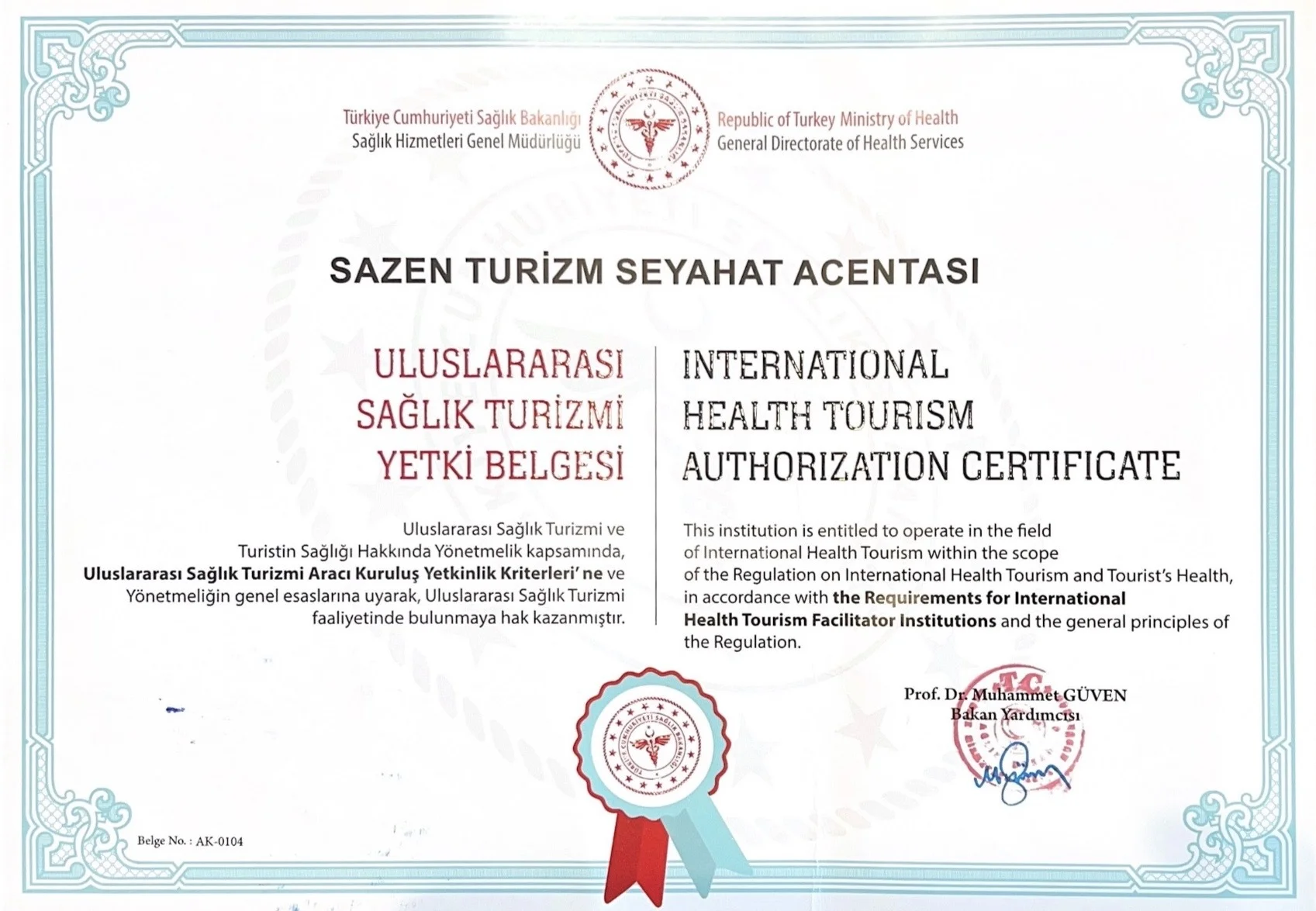
At CK Health Turkey, we are committed to ensuring the safest and most effective surgical experience for our international patients. We understand the complexities involved in preparing for surgery, particularly for those travelling from abroad, and we prioritize comprehensive pre-operative assessment and patient education. Our team of experienced surgeons and medical professionals adheres to international best practices, emphasizing factors that contribute to optimal outcomes, including crucial lifestyle adjustments such as cessation of smoking and vaping.
We provide extensive guidance and support to help our patients prepare adequately for their procedures. Whether you are considering weight loss surgery, plastic surgery, or other medical treatments, we work closely with you to mitigate risks and enhance your recovery. This includes clear directives on vaping guidelines and smoking cessation. Our commitment extends beyond the operating room, focusing on holistic patient well-being and long-term success. We believe that a well-informed and prepared patient is central to achieving the best possible results.
We encourage all prospective patients to engage transparently with our medical coordinators regarding their health habits. This open dialogue ensures that we can tailor your pre-operative plan to your specific needs, maximizing safety and minimizing potential complications. For those considering bariatric surgery, we also provide resources to help understand the psychological checklist for weight loss surgery success and guide you through the preparations. Our dedication to patient care and excellent surgical outcomes makes CK Health Turkey a premier choice for international patients seeking high-quality, affordable medical treatment. Explore our before & after gallery to see the results our patients achieve.
Taking the proactive step to address smoking or vaping before surgery why quitting matters is arguably one of the most impactful decisions you can make to safeguard your health and ensure a successful surgical outcome. The evidence is clear: abstinence from nicotine products significantly reduces surgical risks and promotes faster, healthier recovery. This commitment not only benefits your immediate surgical journey but also sets a foundation for improved long-term health. CK Health Turkey is dedicated to supporting you through every phase of this vital preparation, ensuring you are well-informed and optimally prepared for your procedure. Your decision to quit before surgery is a powerful investment in your future well-being.
FAQs
Why is quitting smoking or vaping so important before surgery?
Quitting significantly reduces the risk of complications like poor wound healing, infections, respiratory problems, and cardiovascular events during and after surgery. Nicotine constricts blood vessels, impairing oxygen delivery and healing.
How long before surgery should I quit smoking or vaping?
Ideally, you should quit at least 4-6 weeks before your scheduled surgery. However, stopping at any point beforehand is still beneficial, as even a short period of abstinence can improve outcomes.
Will my doctor know if I’ve been smoking or vaping?
Yes, medical teams often use a cotinine test, which detects a nicotine metabolite in your system for several days. It is crucial to be honest with your medical team to ensure your safety and optimal pre-operative planning.
Can vaping be considered a safe alternative before surgery?
No. While often perceived as less harmful, vaping still delivers nicotine, which impairs blood flow and wound healing. E-cigarette aerosols also contain other harmful chemicals that can affect respiratory and immune function, posing similar risks to traditional smoking before surgery.
What are the specific risks if I don’t quit before surgery?
Failing to quit can lead to increased risks of wound infections, delayed healing, pneumonia, blood clots, heart attack, stroke, and anaesthetic complications. These can prolong recovery and necessitate further interventions.
What resources are available to help me quit?
You can seek support from your GP, local smoking cessation services, or specialist clinics. Nicotine Replacement Therapy (NRT) products (patches, gum, lozenges) and behavioural support can also be highly effective in managing cravings and withdrawal.
Is it too late to quit if my surgery is in a week?
No, it is never too late to quit. Even a few days of abstinence can start to improve your body’s ability to heal and fight infection. Inform your medical team immediately if you stop, as they can adjust your care plan accordingly.
How does quitting smoking benefit my recovery beyond just the surgery?
Quitting before surgery is an excellent opportunity for long-term health improvements. It reduces your risk of heart disease, stroke, cancer, and respiratory illnesses, leading to a healthier and more active life post-recovery.